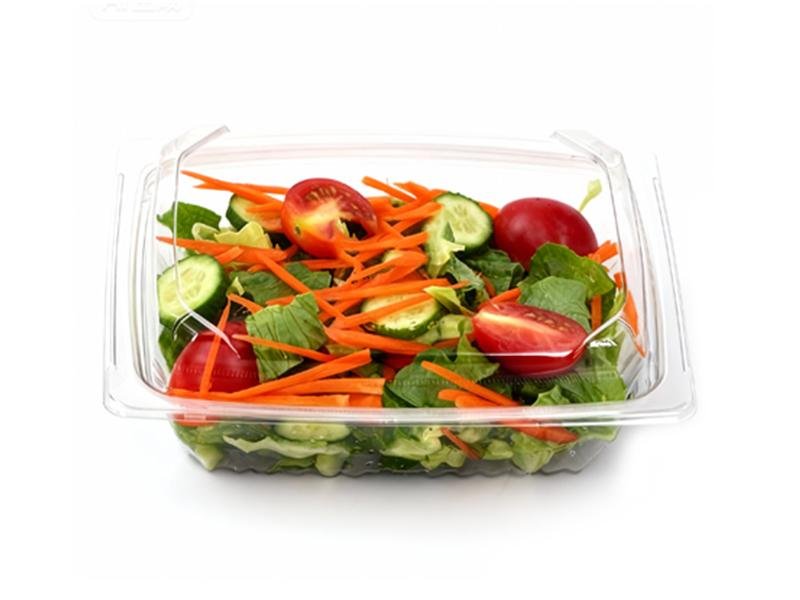
Food trays
For snacks, fresh produce, bakery items, ready meals, and other suitable foods.
Packaging Expertise. Engineered for Impact.
Thermoforming is a process in which a plastic sheet is heated until it becomes flexible and then shaped over or into a mould. After cooling, the formed part is trimmed to create the final product.
Thermoformed sheets are the flat plastic material used at the start of this process. Thermoformed containers are the finished shapes made from the sheet, such as cups, trays, tubs, lids, and food containers.
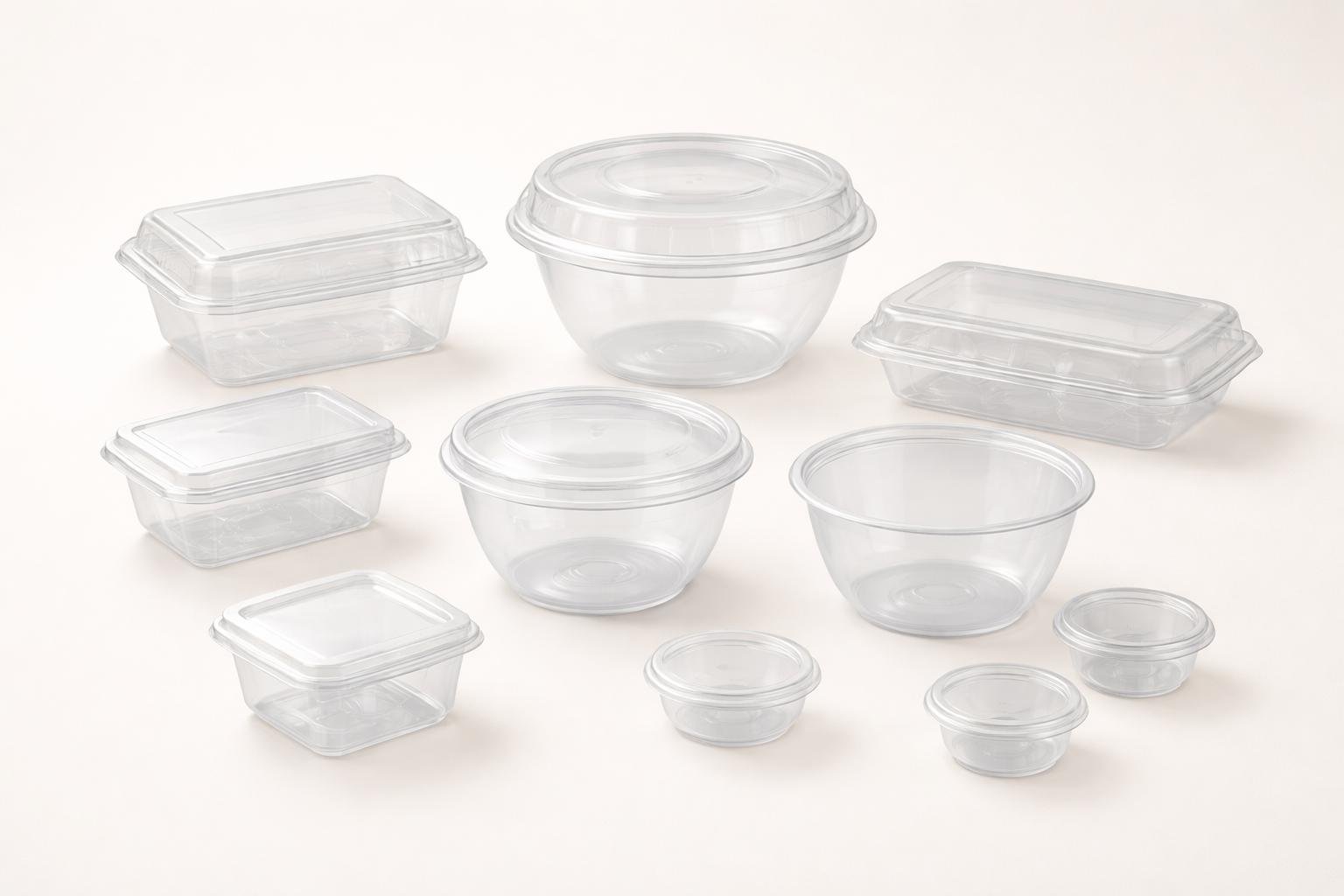
Thermoformed packaging is used across food and selected non-food applications where shape, visibility and practical handling matter.
For snacks, fresh produce, bakery items, ready meals, and other suitable foods.

For selected dairy, dessert, and beverage applications.
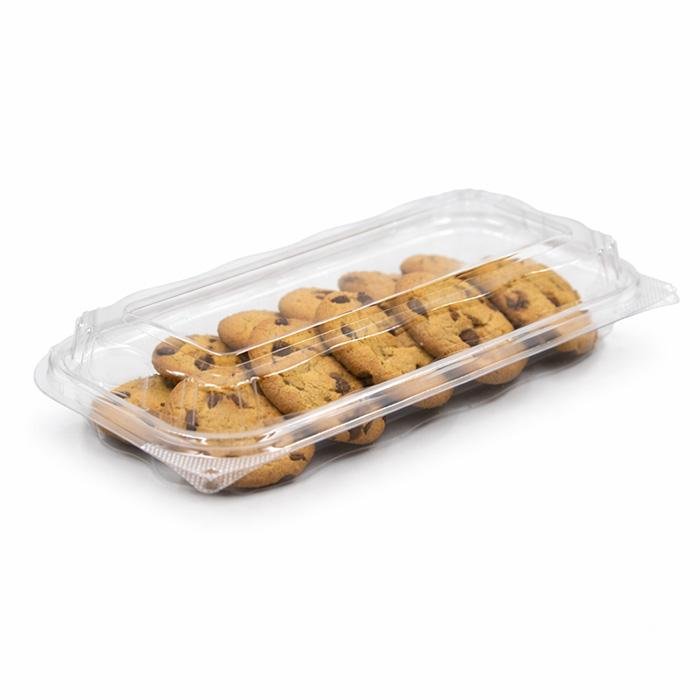
Display packs, protective inserts, and shaped trays for suitable non-food products.
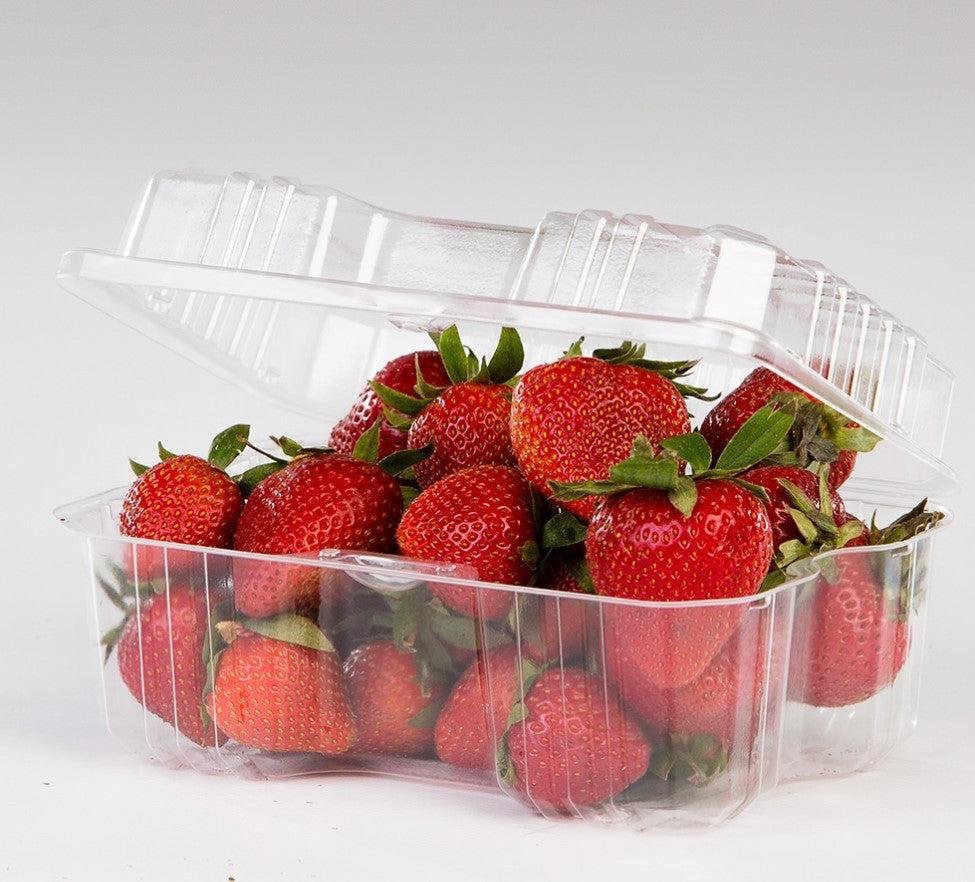
Packaging where product visibility, a particular shape, or a fitted lid is important.
Sheets can be shaped to suit the product and packing requirements.
Transparent grades can make the contents easier to see.
A suitable design can help hold and protect products during storage and transport.
Suitable tooling and process control can support consistent dimensions.
Some designs may reduce transport weight compared with heavier packaging options.

Typical process stages include sheet preparation, heating, forming, cooling, trimming, and inspection. The exact sequence depends on the machine and product.
Material selection should account for product contact, temperature, stiffness, transparency, sealing, transport conditions, and local recycling options. Confirm the exact grade and suitability with the supplier.
A sheet is the flat starting material. A container is the shaped product made from that sheet.
No. The material and finished packaging must be suitable for the particular food, temperature, filling process, and applicable food-contact requirements.
Some may be recyclable, but this depends on the resin, additives, labels, other components, and local collection and recycling systems.
Get expert guidance on materials, formats and technologies for your specific requirements.